
by Serdzhan Ibryam Hasan
Melibea Obono’s novel, La Bastarda (2016), centres on Okomo, a young Fang woman whose lesbian identity is suppressed by the heteropatriarchal norms that pervade family and communal life in Equatorial Guinea.
On gender, diversity, and feminism
by Serdzhan Ibryam Hasan
Melibea Obono’s novel, La Bastarda (2016), centres on Okomo, a young Fang woman whose lesbian identity is suppressed by the heteropatriarchal norms that pervade family and communal life in Equatorial Guinea.
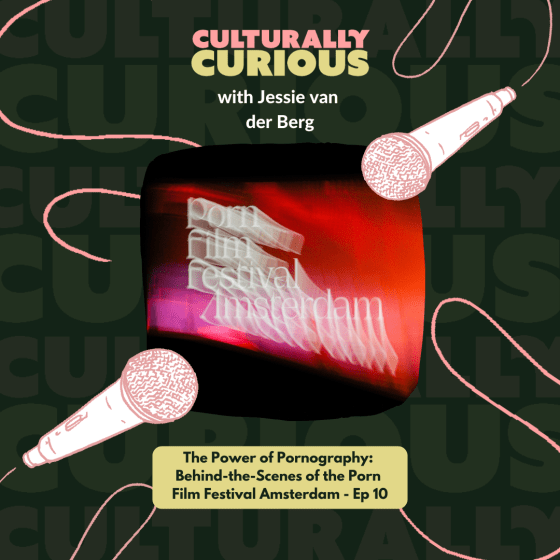
In this episode Nanette Ashby dives into the world of Porn Film Festivals together with organiser Jessica van der Berg. Originally from Johannesburg, South Africa, Jessie is a copywriter, Sextech School graduate, and speaker on masturbation, vulvas, and pornography. She is part of the team behind the Porn Film Festival Amsterdam. She is also the organiser of SONA, South Africa’s first Sex of the Nation Address – a sex-positive, consent-centered, post-porn festival and fundraiser for the sex worker movements Sweat and Sisonke.
by Pia van de Schaft
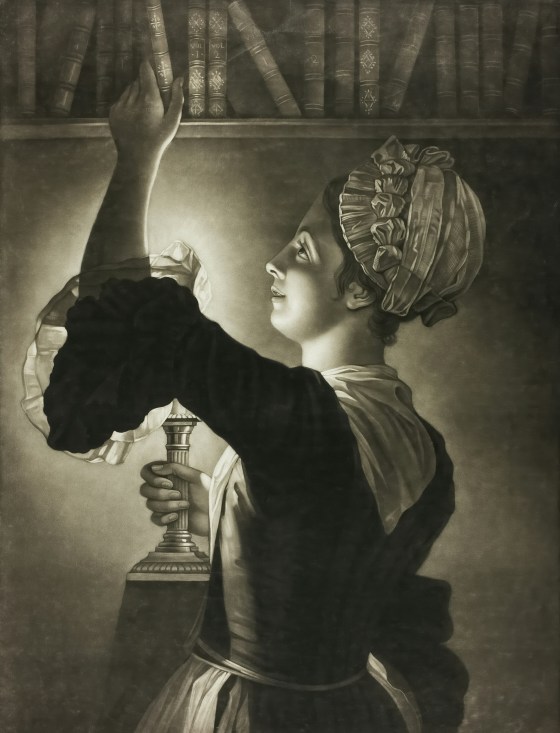
As a consequence of the increased appreciation of empirical research, a new scientific culture emerged. Intellectuals collaborated in national scientific academies while amateurs gathered in scientific societies of their own. Especially in Western Europe, the growing interest generated pathways for some women to engage with the sciences.

by Camilla Di Nardo
I’m a hysterical woman
Some believe that my uterus moves around my body
Forcing me to do strange things
by Veronica Fantini
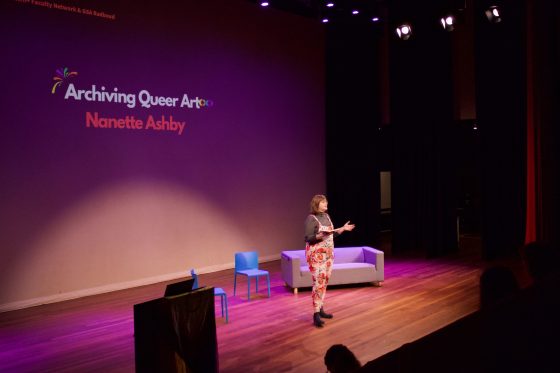
A new edition of the Queering Radboud took place on December 3, 2025. For the third time, this event brought together many people interested in topics widely touched upon by our magazine.
by Lola Riley
Kindness should be passed on and that’s how you should live your life so I took a long lunch and I haven’t taken my medication since Sunday.

by Serdzhan Ibryam Hasan
The Waves (1931) is widely regarded as one of Virginia Woolf’s most significant experimental modernist novels. Published in 1931, the novel traces the experiences of six characters, Bernard, Jinny, Louis, Neville, Rhoda, and Susan, from childhood to adulthood as they confront the death of their friend, Percival.

by Glyn Muitjens
Fish and seafood – oysters in particular – are popularly believed to possess aphrodisiac qualities. This connection made between seafood and sex is not a recent phenomenon – actually. It is quite old, hailing back to even before classical Athens. What exactly did the ancient Greeks make of seafood?

by Marle Zwietering
In 1990, over sixty activists of disability rights organization ADAPT left their mobility aids at the bottom of the stairs of the United States Capitol. They then ascended the stairs in a protest now known as the Capitol Crawl.

by Mila Polderman
Roald Dahl is perhaps one of the most famous children’s book writers, with Charlie and the Chocolate Factory (1964) and Mathilda (1988) being just two examples of his successful works. Many of his books were also adapted into movies, one of the most recent being The Witches (2020).
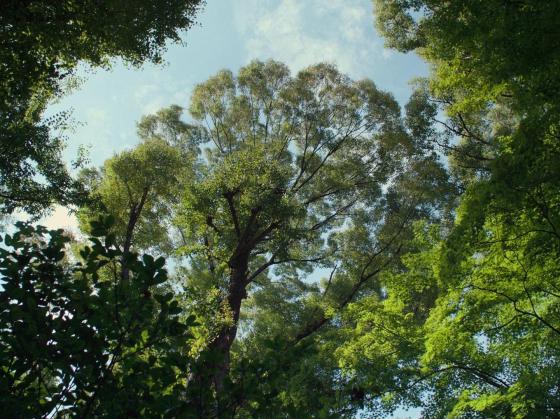
by Stela Malega
‘Perfect Days’ extends an invitation to the viewer to ponder how life might look if one surrenders to slowing down and, as cheesy as it sounds, being present.
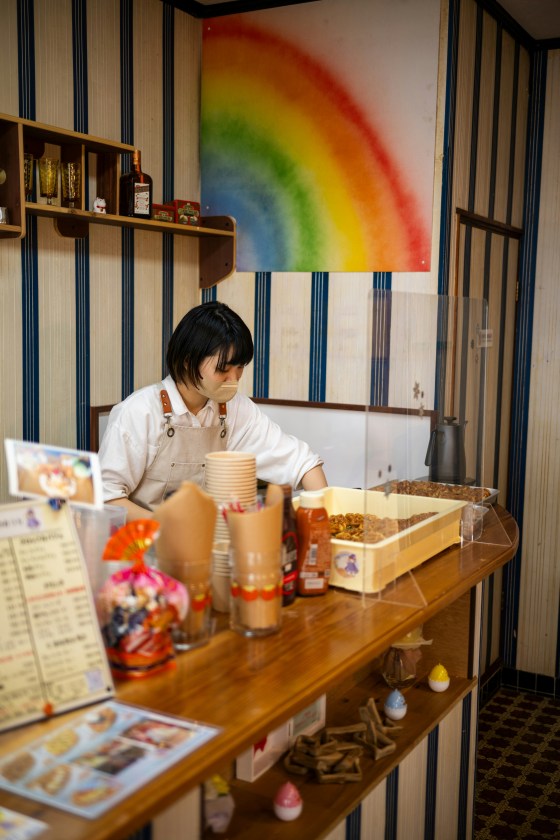
By Maiko Sawada
In November 2022, a small exhibition in Tokyo quietly included a same-sex couple’s partnership certificate in a section about changing Japanese family structures.
 Raffia