by Serdzhan Ibryam Hasan
The figure of the “witch” has historically functioned as a socio-political construct used to discipline individuals who threatened dominant religious, patriarchal, and racial orders. In early modern contexts such as the Salem witch trials, accusations of witchcraft operated as mechanisms of social control through which women who transgressed religious and patriarchal expectations were marginalised and punished.

Tag: bipoc
Hiding abuse behind celebration: International women’s day at Radboud University
by Aya Ahlalouch
While celebrating women in academia is important, this approach raises deep concern. The event highlights women’s work without addressing the systemic barriers they face within the institution. Thereby, International Women’s Day is reduced to a token gesture rather than a meaningful commitment to women’s rights and gender equality.
Avondgloed
door Ymke Knoben
Het gonst in
de stad
mijn hart
mijn hoofd
…
Queer Joy as a Pedagogical Tool in the “Heartstopper” TV-series
by Jonathan Veenhuijsen
In times of growing intolerance regarding LGBTQ+ individuals, positive forms of media put queer hearts at ease by employing queer representation. A recent example of this is TV-series Heartstopper, based on Alice Oseman’s graphic novels.
A woman is a half formed thing
by Shree
A woman is a half-formed thing.
She is moulded, contorted and shaped.
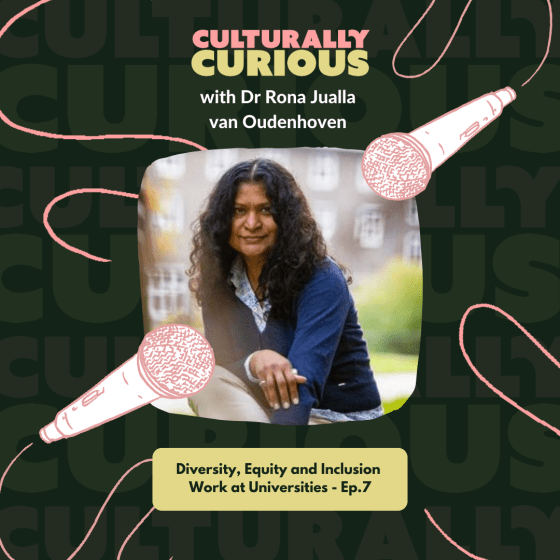
Diversity, Equity and Inclusion Work at Universities with Dr Rona Jualla van Oudenhoven – Culturally Curious Ep.7
In this episode, Nanette Ashby is joined by Dr. Rona Jualla van Oudenhoven. From 2020 to 2023, she was the Chief Diversity Officer at Radboud University and Program Director of Diversity, Equity, and Inclusion. We discuss the ins and outs of what this job entails. Including meeting with students or staff members to listen to their demands, complaints or issues and the process of finding ways to implement long lasting improvements.
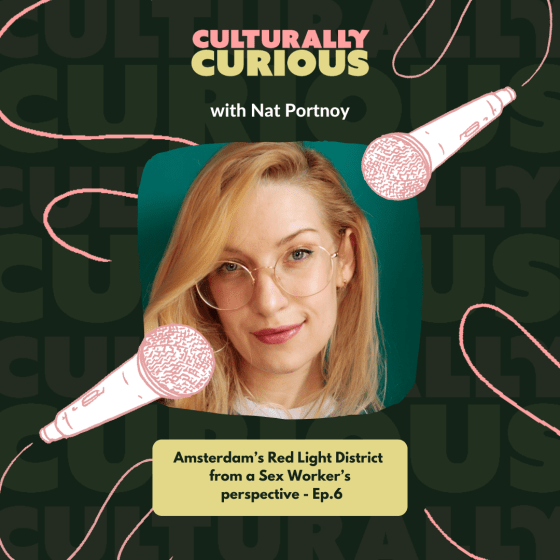
Amsterdam’s Red Light District from a Sex Worker’s perspective with Nat Portnoy – Culturally Curious Ep.6
In this episode, Nanette Ashby takes you with her to the Prostitution Information Center in Amsterdam. It is located in the heart of the Red light district next to the Oude Kerk or Old Church. I have the pleasure of interviewing Nat Portnoy, a multidisciplinary artist, activist, performer, filmmaker and sex worker.
Echte feministen dragen geen beha’s – of wel?
door Maaike van Leendert
“Ik ben vandaag even zo onwijs kwaad,” appte ik naar mijn vriendinnen. Even daarvoor was ik begonnen met een zoektocht naar een passende beha waarvan de aankoop niet mijn volledige bankrekening zou plunderen.
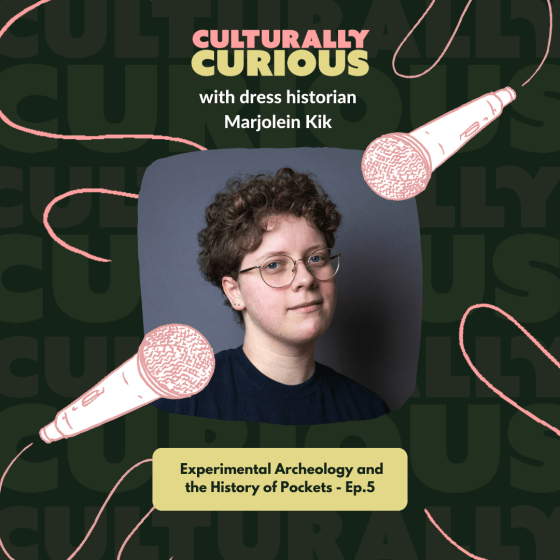
Experimental Archeology and the History of Pockets with Marjolein Kik – Culturally Curious Ep.5
In this installment, I’m joined by Marjolein Kik, a Dutch academic specializing in dress history and experimental archaeology. Their research into the history of Dutch pockets takes center-stage in this episode. We start with the question: What is experimental archaeology? Marjolein explains the nuances of this new and unique research method and how they created an educational tool for museums, based on this research. We discussed materials, sewing techniques and designs used to make pockets between 1650 and 1950.
Why your Feminism should be Socialist – An introduction to Socialist Feminist theory
By Ava Wood On 24th October, Iceland’s women left their workplaces and went on strike, protesting the 10.2% gender pay gap in the country. The movement is inspirational for those of us who come from countries where mobilisation on this scale is unthinkable, and puzzling in the context of the country’s status as the most gender equal in the world (Barry, 2023).
Poem: Unlearning
by Paula Werdnik
“I learnt from a young age that to be a woman is to be water…”
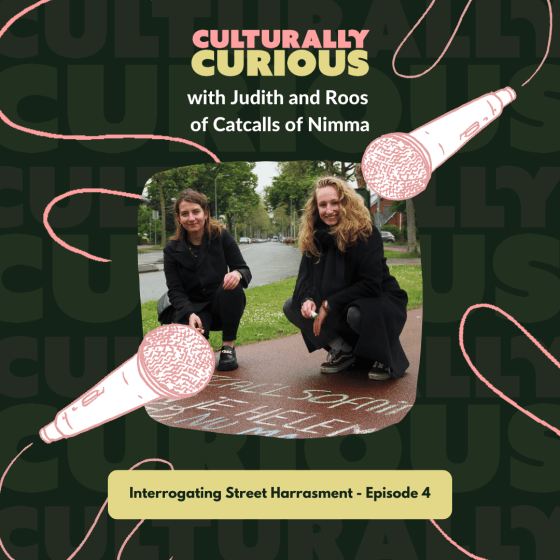
Interrogating Street Harrasment with Judith and Roos of Catcalls of Nimma – Culturally Curious Ep.4
In this episode we are focusing on the work of Catcalls of Nimma who highlight and fight street harassment. I’m joined by the founders Judith Holzmann and Roos van den Oever to dive deeper into their process, from collecting the stories to putting chalk to the pavement.