Queer Mythmaking in Madeline Miller’s The Song of Achilles: When Heroes Fall in Love (and Fall Apart)

By Noa de Kievit
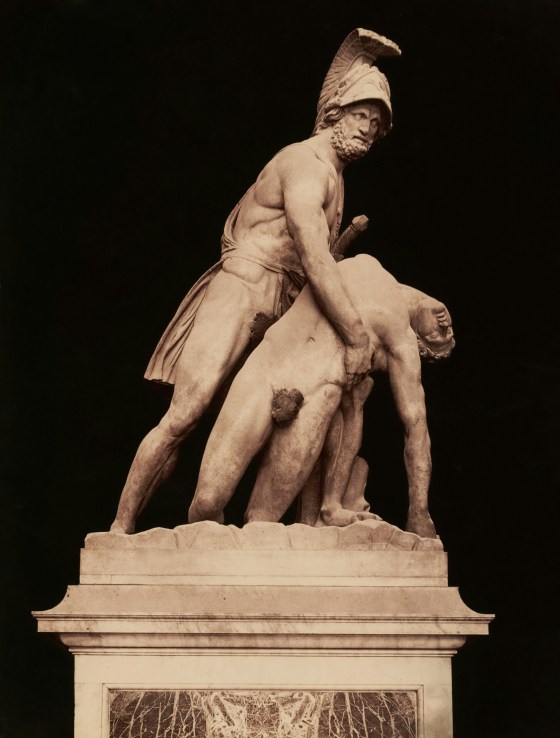
In classical Greek epics, heroism is traditionally defined through martial glory, public recognition, and the pursuit of immortal fame. In The Song of Achilles (2011), however, Madeline Miller reimagines this tradition by shifting the focus of the Trojan-war myth from battlefield triumph to emotional intimacy and queer desire.

The (im)possibilities of being a female scientist in Enlightenment Europe: how women navigated gender roles in eighteenth-century science

by Pia van de Schaft
As a consequence of the increased appreciation of empirical research, a new scientific culture emerged. Intellectuals collaborated in national scientific academies while amateurs gathered in scientific societies of their own. Especially in Western Europe, the growing interest generated pathways for some women to engage with the sciences.

Unattainable Desire: Queer Longing and Utopian Temporality in Woolf’s The Waves (1931)

by Serdzhan Ibryam Hasan
The Waves (1931) is widely regarded as one of Virginia Woolf’s most significant experimental modernist novels. Published in 1931, the novel traces the experiences of six characters, Bernard, Jinny, Louis, Neville, Rhoda, and Susan, from childhood to adulthood as they confront the death of their friend, Percival.

Durational Disability Aesthetics: Collective and Individual Memory of the Capitol Crawl in Gina Vernon’s All the Way to Freedom

by Marle Zwietering
In 1990, over sixty activists of disability rights organization ADAPT left their mobility aids at the bottom of the stairs of the United States Capitol. They then ascended the stairs in a protest now known as the Capitol Crawl.

Antisemitism in Roald Dahl’s The Witches

by Mila Polderman
Roald Dahl is perhaps one of the most famous children’s book writers, with Charlie and the Chocolate Factory (1964) and Mathilda (1988) being just two examples of his successful works. Many of his books were also adapted into movies, one of the most recent being The Witches (2020).

Traces, Afilmic Memory and Performativity in Between Delicate and Violent

By Trine Linke
In her 2023 experimental documentary film Between Delicate and Violent writer and director Şirin Bahar Demirel investigates how memories are made and documented, and how to navigate memories which were concealed or hidden. Probing her own family’s memories from photo albums, videos, paintings and stitchwork for the traces of hands, she constructs a new history of memories which were shameful and kept hidden.

Why Masculinity is Fragile: Understanding the Pressure on Men to “Be a Man”

by Zhenghao Lin
When the Chinese Ministry of Education announced that actions would be taken to cultivate students’ “masculinity” (MOE, 2021), some viewed it as the government’s clear and strong stance in supporting the “end of the effeminizing trend in society” (Xinhua, 2018). The plan, which aims to make students more “masculine” by moderately improving physical education teaching methods and formats, was seen as a response to growing concerns that the new generation of men might not be “masculine” enough to handle future responsibilities.

“I don’t feel safe at all” Intimidation, surveillance and Police Brutality. Social Safety or Terror at Radboud University?

Instead of addressing the many structural forms of discrimination and the way students become victims of policy, the university prioritizes events which are intended to function as a band-aid to these systemic failures. This absolves the administrative bodies of any responsibility regarding the hardships that the students are going through, and places the well-being of the students in the hands of each individual.