Fashion and mending in a feminist wardrobe – A reflection on overconsumption, repair, shared responsibility and the life cycle of the clothes we wear

by Júlia Vicente
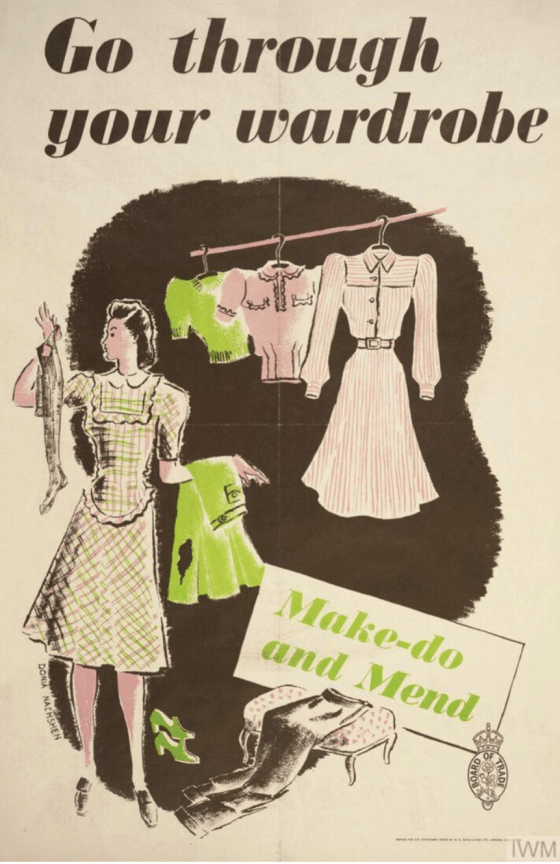
In a world that profits from diposability, what does it mean to repair a piece of clothing? This article considers the environmental and feminist implications of overconsumption and the increasing popularity of fast fashion. It also explores how choosing to repair rather than replace items can be a personal, political and collective act of resistance.
Murdering Clothes: Addressing Feminicide in Teresa Margolles’ Cimbra Formwork 

by Rosa Floris
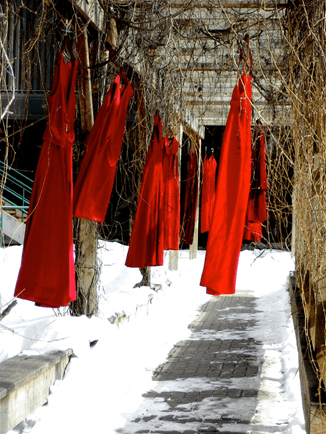
In her 2006 conceptual artwork Cimbra Formwork, Teresa Margolles incorporates real clothes from women who were victims of gendered violence and feminicide in Ciudad Juárez. She is thereby responding to the phenomenon of feminicide, but what exactly does her artwork communicate?

Experimental Archeology and the History of Pockets with Marjolein Kik – Culturally Curious Ep.5

In this installment, I’m joined by Marjolein Kik, a Dutch academic specializing in dress history and experimental archaeology. Their research into the history of Dutch pockets takes center-stage in this episode. We start with the question: What is experimental archaeology? Marjolein explains the nuances of this new and unique research method and how they created an educational tool for museums, based on this research. We discussed materials, sewing techniques and designs used to make pockets between 1650 and 1950.

Gender stereotypes in children’s clothing

You are what you wear, or rather you become what you wear. Despite the wish of certain companies to promote gender neutral clothing for children, differences between boys and girls clothes still persist. The determined ideas that garments communicate about what being male or female means are dangerously limiting for the children and encourage them to follow a path marked by a long history of gender stereotypes.