Queer Mythmaking in Madeline Miller’s The Song of Achilles: When Heroes Fall in Love (and Fall Apart)

By Noa de Kievit
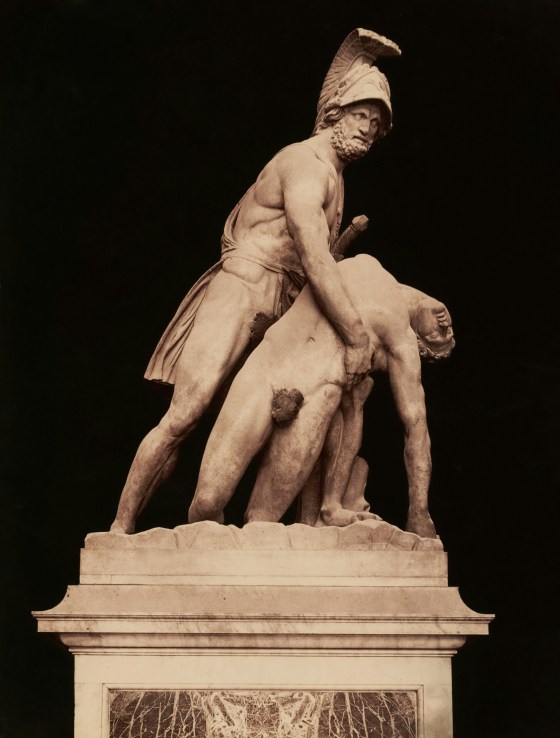
In classical Greek epics, heroism is traditionally defined through martial glory, public recognition, and the pursuit of immortal fame. In The Song of Achilles (2011), however, Madeline Miller reimagines this tradition by shifting the focus of the Trojan-war myth from battlefield triumph to emotional intimacy and queer desire.

Unattainable Desire: Queer Longing and Utopian Temporality in Woolf’s The Waves (1931)

by Serdzhan Ibryam Hasan
The Waves (1931) is widely regarded as one of Virginia Woolf’s most significant experimental modernist novels. Published in 1931, the novel traces the experiences of six characters, Bernard, Jinny, Louis, Neville, Rhoda, and Susan, from childhood to adulthood as they confront the death of their friend, Percival.

Antisemitism in Roald Dahl’s The Witches

by Mila Polderman
Roald Dahl is perhaps one of the most famous children’s book writers, with Charlie and the Chocolate Factory (1964) and Mathilda (1988) being just two examples of his successful works. Many of his books were also adapted into movies, one of the most recent being The Witches (2020).

Why so many prostitutes in recent Dutch novels?

Which types of characters populate the fictional society of Dutch literature? When thinking about literature in terms of demographics, questions arise with regards to the literary representation of certain social groups. Why are certain professions for characters in recent Dutch novels so popular? And what does that say about the potential emancipatory and progressive powers of literature?