
by Serdzhan Ibryam Hasan
Melibea Obono’s novel, La Bastarda (2016), centres on Okomo, a young Fang woman whose lesbian identity is suppressed by the heteropatriarchal norms that pervade family and communal life in Equatorial Guinea.
On gender, diversity, and feminism
by Serdzhan Ibryam Hasan
Melibea Obono’s novel, La Bastarda (2016), centres on Okomo, a young Fang woman whose lesbian identity is suppressed by the heteropatriarchal norms that pervade family and communal life in Equatorial Guinea.
by Pia van de Schaft
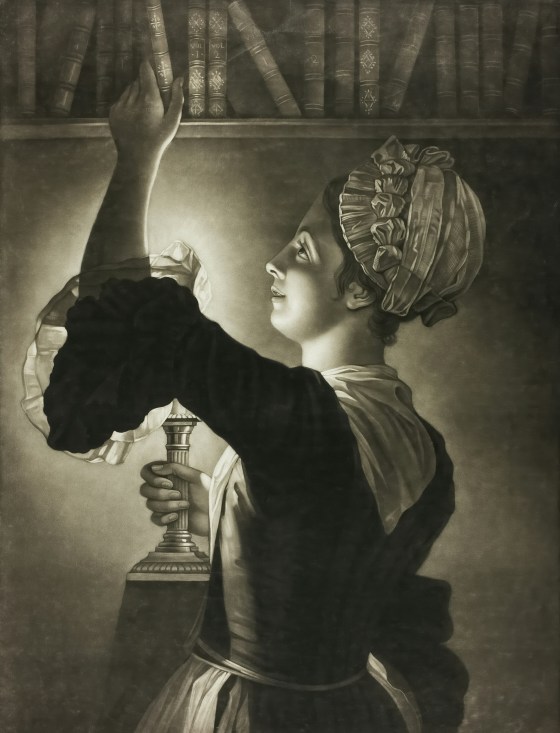
As a consequence of the increased appreciation of empirical research, a new scientific culture emerged. Intellectuals collaborated in national scientific academies while amateurs gathered in scientific societies of their own. Especially in Western Europe, the growing interest generated pathways for some women to engage with the sciences.

by Veronica Fantini
A new edition of the Queering Radboud took place on December 3, 2025. For the third time, this event brought together many people interested in topics widely touched upon by our magazine.

by Serdzhan Ibryam Hasan
The Waves (1931) is widely regarded as one of Virginia Woolf’s most significant experimental modernist novels. Published in 1931, the novel traces the experiences of six characters, Bernard, Jinny, Louis, Neville, Rhoda, and Susan, from childhood to adulthood as they confront the death of their friend, Percival.

by Glyn Muitjens
Fish and seafood – oysters in particular – are popularly believed to possess aphrodisiac qualities. This connection made between seafood and sex is not a recent phenomenon – actually. It is quite old, hailing back to even before classical Athens. What exactly did the ancient Greeks make of seafood?
by Marle Zwietering
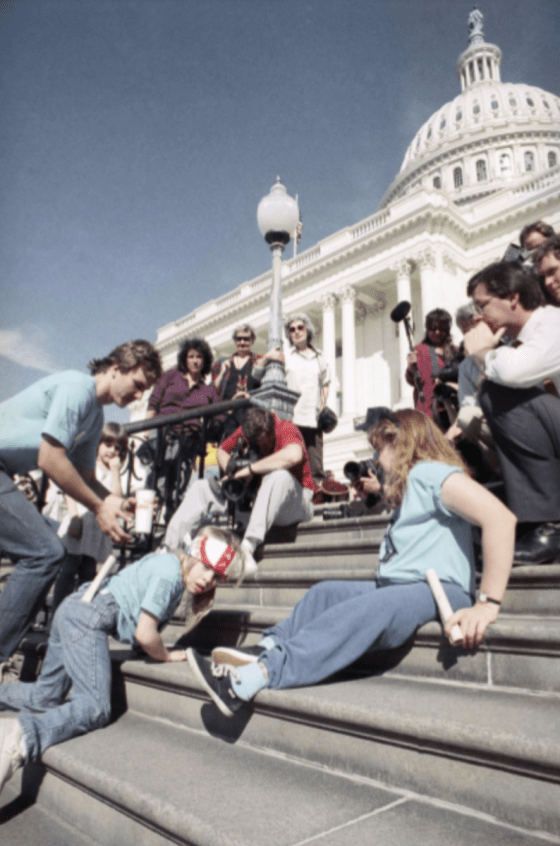
In 1990, over sixty activists of disability rights organization ADAPT left their mobility aids at the bottom of the stairs of the United States Capitol. They then ascended the stairs in a protest now known as the Capitol Crawl.

by Mila Polderman
Roald Dahl is perhaps one of the most famous children’s book writers, with Charlie and the Chocolate Factory (1964) and Mathilda (1988) being just two examples of his successful works. Many of his books were also adapted into movies, one of the most recent being The Witches (2020).
By Maiko Sawada
In November 2022, a small exhibition in Tokyo quietly included a same-sex couple’s partnership certificate in a section about changing Japanese family structures.
By Trine Linke
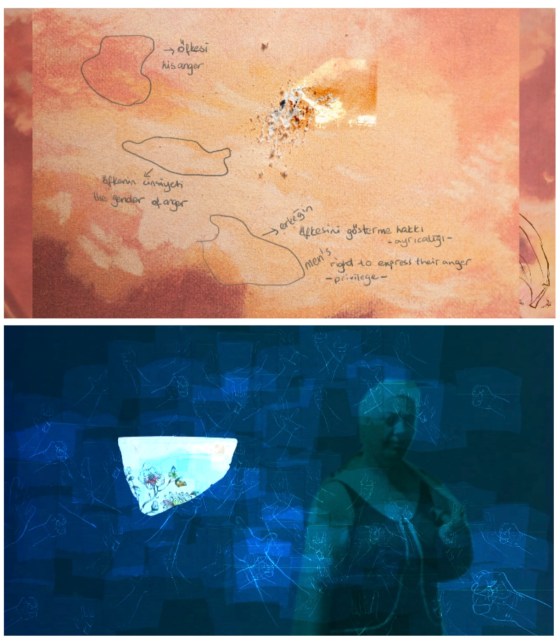
In her 2023 experimental documentary film Between Delicate and Violent writer and director Şirin Bahar Demirel investigates how memories are made and documented, and how to navigate memories which were concealed or hidden. Probing her own family’s memories from photo albums, videos, paintings and stitchwork for the traces of hands, she constructs a new history of memories which were shameful and kept hidden.
by Zhenghao Lin
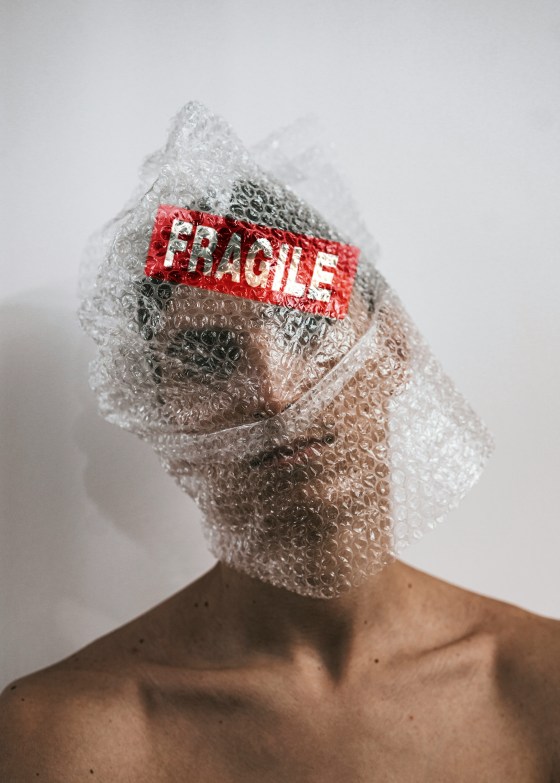
When the Chinese Ministry of Education announced that actions would be taken to cultivate students’ “masculinity” (MOE, 2021), some viewed it as the government’s clear and strong stance in supporting the “end of the effeminizing trend in society” (Xinhua, 2018). The plan, which aims to make students more “masculine” by moderately improving physical education teaching methods and formats, was seen as a response to growing concerns that the new generation of men might not be “masculine” enough to handle future responsibilities.
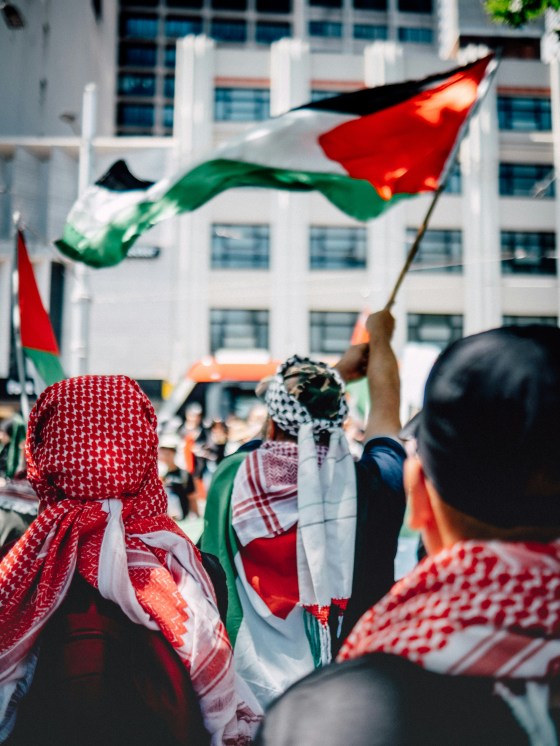
Instead of addressing the many structural forms of discrimination and the way students become victims of policy, the university prioritizes events which are intended to function as a band-aid to these systemic failures. This absolves the administrative bodies of any responsibility regarding the hardships that the students are going through, and places the well-being of the students in the hands of each individual.

by Chiara Silipigni
Taxation on tampons and pads? Thank you Giorgia Meloni.
This is happening at the hands of Italy’s first Prime Minister in history.For many years, menstruation products, such as sanitary pads and tampons, were taxed by the Italian government at 22% (taxation reserved for luxury items or non-essential goods, such as computers, cigarettes, alcoholic beverages, etc.).
 Raffia