The Koto as Coded Communication and Queer Expression: A Decolonial Reading of J.G. Spalburg’s Bruine Mina, de Koto-Missi

by Noa de Kievit
Colonial archives are never neutral repositories of the past. Rather, they are shaped by regimes of visibility and erasure that determine which subjects can appear as knowable historical actors and which lives remain partially absent from the historical record.

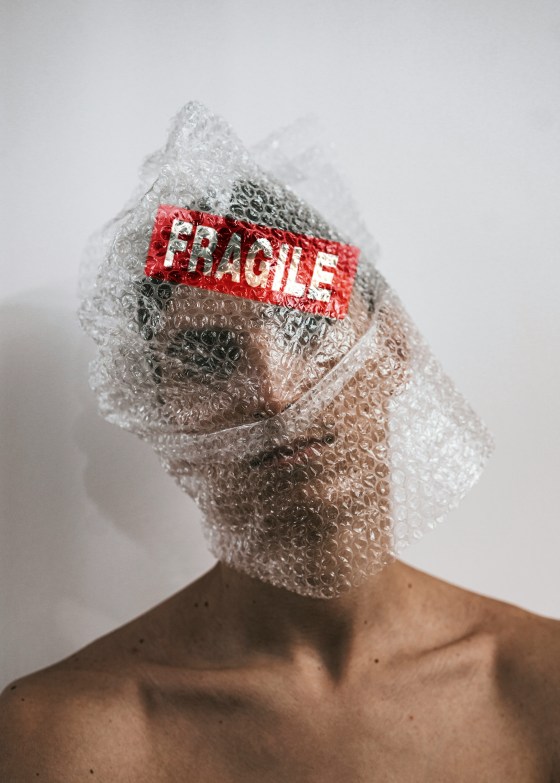
Why Masculinity is Fragile: Understanding the Pressure on Men to “Be a Man”

by Zhenghao Lin
When the Chinese Ministry of Education announced that actions would be taken to cultivate students’ “masculinity” (MOE, 2021), some viewed it as the government’s clear and strong stance in supporting the “end of the effeminizing trend in society” (Xinhua, 2018). The plan, which aims to make students more “masculine” by moderately improving physical education teaching methods and formats, was seen as a response to growing concerns that the new generation of men might not be “masculine” enough to handle future responsibilities.

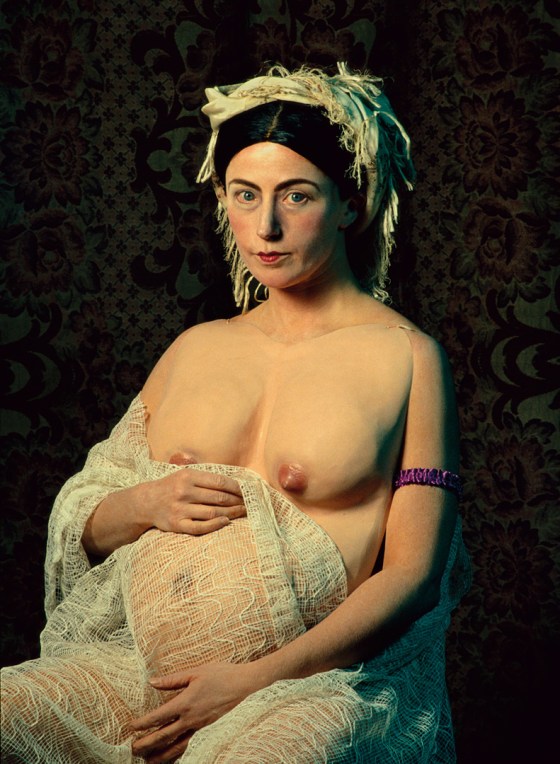
Reclaiming the Maternal Body: Challenging the expectations and representation of pregnancy in Cindy Sherman’s self-portrait Untitled #205 (1989)

by Nanette Ashby

In the realm of contemporary art, few figures stand at the intersection of identity, culture, and photography as prominently as Cindy Sherman. Born in New Jersey in 1954, Sherman has carved a niche for herself through her pioneering photographic self-portraits. Her body of work challenges and deconstructs cultural norms and expectations, particularly those surrounding gender, celebrity, and the very medium she employs – photography itself.