Mädchen in Uniform: A Masterful Portrayal of Female Solidarity against Oppression

by Airin Farahmand
If you ask a film enthusiast about the most prominent interwar German movies, you will most likely get a German expressionist movie as an answer. After all, in most scholarly books, German cinema is often remembered by Fritz Lang’s iconic movies such as The Metropolis, Nosferatu, and The Cabinet of Dr. Caligari.

The New Woman: Icons of Change or Catalysts of Male Anxiety?

by Nele Brinkmann
In the tumultuous aftermath of World War One, Germany found itself in times of uncertainty and upheaval. The Weimar Republic, Germany’s first democracy, challenged the old order with its progressive constitution and blooming cultural scene. The “New Woman” embodied this transformation and transcended previous gender expectations.

The new Mulan: Empowered heroine or neoliberal propaganda?

by Alex Banciu A Guardian review called Mulan “the most empowered Disney heroine of all.” One could argue that there is some truth to this statement. Mulan manages to infiltrate the imperial army as a man.

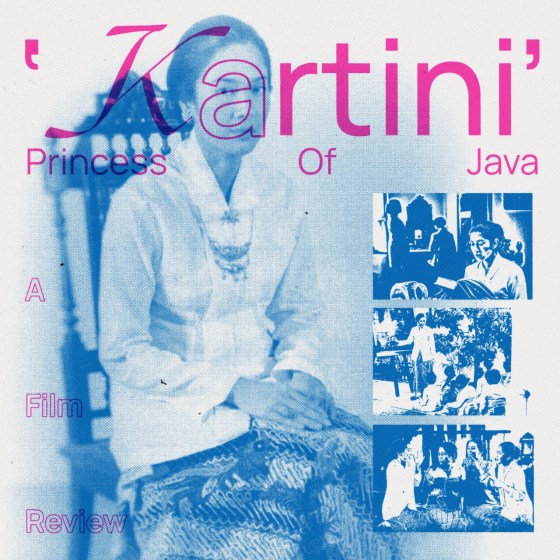
“Kartini” Princess of Java: A Film Review

by Reya Suwarsono Film director, Hanung Bramantyo, unfolds the story of Raden Adjeng Kartini (played by Dian Sastrowardoyo), a daughter born into a Javanese family of nobles in 1879. Her father’s position as a Javanese aristocrat working for the Dutch government provided her with the opportunity to attend a Dutch school – a privilege that few Indonesians had. Her exposure to Western ideals and education played a crucial role in her growth as an activist in her later years.