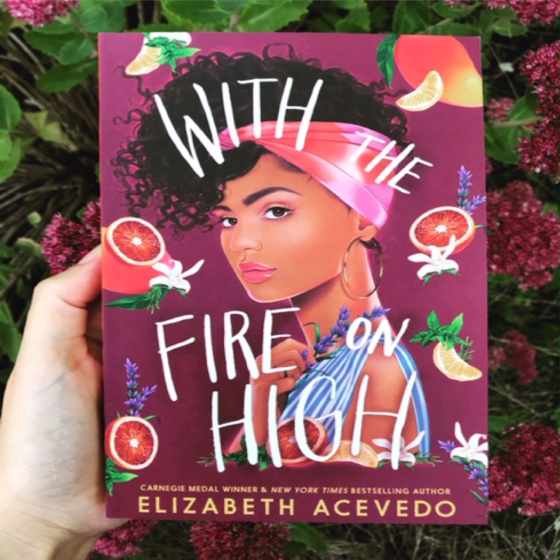
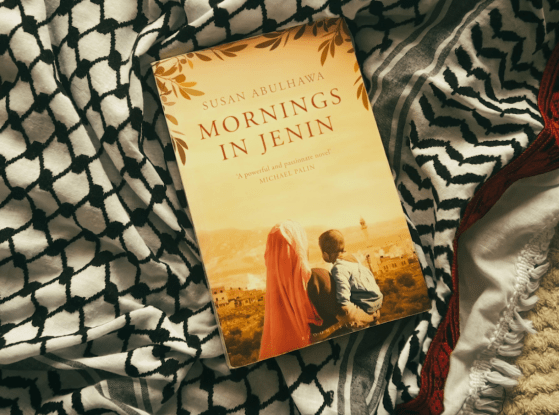
Reading is resistance! Book review – Mornings in Jenin by Susan Abulhawa

by Sorina Bularca
Reading has always been one of my ways to revolt against this fast-paced world. A cup of coffee, some fuzzy peaches (the flat kind), a big cup of water and 50 pages later, I am disconnected from the horror that my room is a mess, and that I should probably be studying. Usually, I like to tell myself that all this reading is going to transform me into a very well-versed person, but the truth is that I still stutter when I try to talk, and I still find it extremely hard to make sentences in which I don’t make grammar mistakes. However, I will not stop.

Queer Joy as a Pedagogical Tool in the “Heartstopper” TV-series

by Jonathan Veenhuijsen

In times of growing intolerance regarding LGBTQ+ individuals, positive forms of media put queer hearts at ease by employing queer representation. A recent example of this is TV-series Heartstopper, based on Alice Oseman’s graphic novels.

The new Mulan: Empowered heroine or neoliberal propaganda?

by Alex Banciu A Guardian review called Mulan “the most empowered Disney heroine of all.” One could argue that there is some truth to this statement. Mulan manages to infiltrate the imperial army as a man.

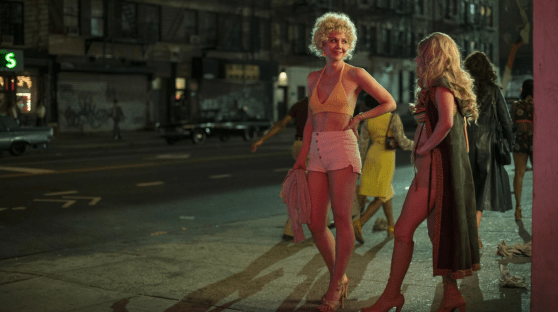
What HBO´s “The Deuce“ can teach us about the intersection of sex work, power, class and capitalism

by Laura Schranz Due to new court rulings that loosened obscenity rules and left them rather ambiguous and open to interpretation, New York experienced a boom in sex work, leading to the so-called “Golden Age of Porn”. Place of action was mostly the so-called Deuce, a street in Manhattan between Times Square and 8th Avenue.

De vrouwen van Mad Men – De ruimte van Betty, Peggy en Joan [Raffia Archief]

Door Maartje Willemijn Smits De televisieserie Mad Men schetst een zeer gedetailleerd tijdsbeeld van de jaren zestig in Amerika. Met de tweede feministische golf nog in het verschiet, is seksisme aan de orde van de dag. Hoe deze problematische verhouding tussen mannen en vrouwen precies in elkaar zit, kunnen we beter begrijpen door te kijken naar hun gebruik van ruimte.

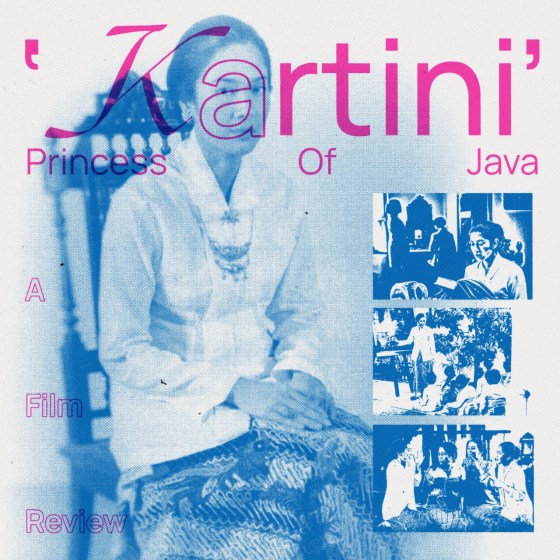
“Kartini” Princess of Java: A Film Review

by Reya Suwarsono Film director, Hanung Bramantyo, unfolds the story of Raden Adjeng Kartini (played by Dian Sastrowardoyo), a daughter born into a Javanese family of nobles in 1879. Her father’s position as a Javanese aristocrat working for the Dutch government provided her with the opportunity to attend a Dutch school – a privilege that few Indonesians had. Her exposure to Western ideals and education played a crucial role in her growth as an activist in her later years.