by Alejandra Jiménez Máñez
‘Conversations with People I Love’ emerged as an idea, a proposition to use active listening as a method of feminist reflection and analysis. In times in which everything seems to be fast-paced, in which scrolling through 6-second-long videos is enough to keep us entertained and information is one click away, listening has become one of the hardest skills to master. Through this series of columns, my objective is to come to terms with my listening skills as part of my daily feminist practices and activism.
Tag: gender rollen
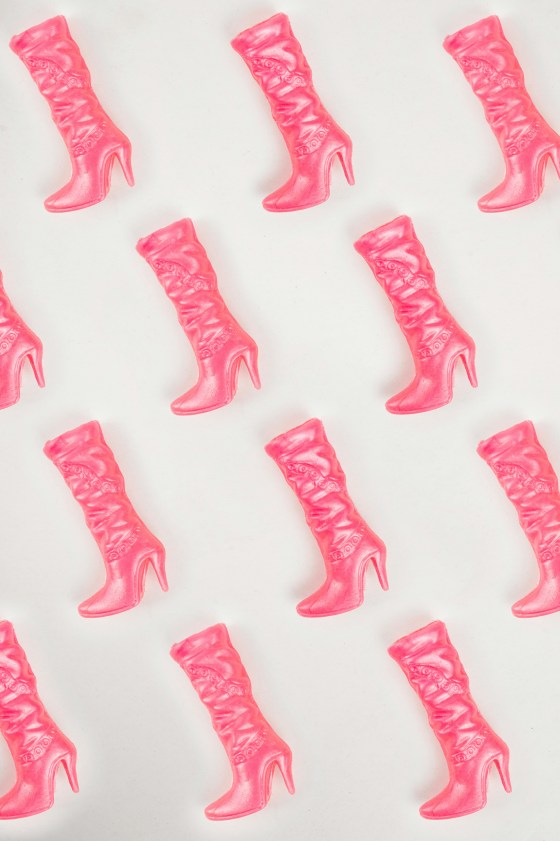
Barbie: a multifaceted 50-something-year-old
by Marijke Naezer, translated by Mara Wemmenhove
In her 50 years of existence, Barbie has had many adventures and worked in dozens of professions. She set foot on the moon before Neil Armstrong ever did, had access to parties where movie stars could only dream of, and saw more of the world than any other average citizen. The possibilities of Barbie seem limitless: she is the woman who can do anything.
A woman is a half formed thing
by Shree
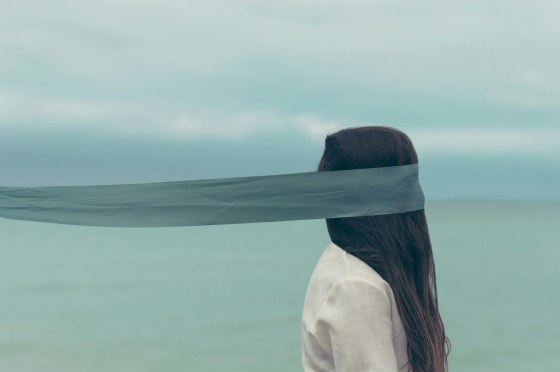
A woman is a half-formed thing.
She is moulded, contorted and shaped.
Poem: Is This Love?
by Chiara Palmeri
“I lived in his shadow, in the imprisonment he imposed, but he never slapped me.”
Poem: Unlearning
by Paula Werdnik
“I learnt from a young age that to be a woman is to be water…”
Caring for those who care: a call for action.
by Elna Schmidt Those who have already experienced a moment in their life where control slips through their fingers know the pain that comes with the realization that for life to be the same again, it needs to be static. It is not. There is no default to which life can return; it has changed. March 2020 marks for many the beginning of such a drastic change, causing life to be altered for good. However, for me, March 2020 also signifies immense pain and the beginning of a horrific journey.
Kunst moet bewegen / Lost in Transition
Ellen Schippers: Mijn kunst komt voort uit mijn persoonlijke ervaringen en gaat over de ongelijkwaardige relatie tussen man en vrouw, over schoonheidsidealen, over het gegeven dat je als vrouw voornamelijk op je uiterlijk beoordeeld wordt, dat je er seksueel aantrekkelijk uit moet zien maar zelf niks met je eigen seksualiteit mag doen. Over het spanningsveld van opgelegde (rol)patronen en je eigen identiteit, wie je werkelijk van binnen bent.
Achter elke grote man een sterke vrouw?
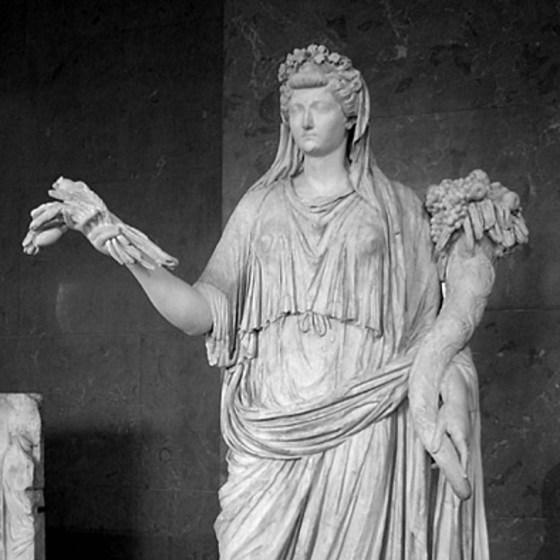
Tijdens het Principaat van Augustus (27 v.Chr. – 14 n.Chr.) nam de bewegings-vrijheid van aristocratische vrouwen toe. Hoewel het nog zo’n tweeduizend jaar zou duren voordat vrouwen een significante politieke rol zouden kunnen spelen, was dit toch al een grote verandering ten opzichte van de sociale en politieke positie van de vrouw in de Romeinse Republiek. Waarom en op welke manier kregen deze vrouwen meer publieke invloed?