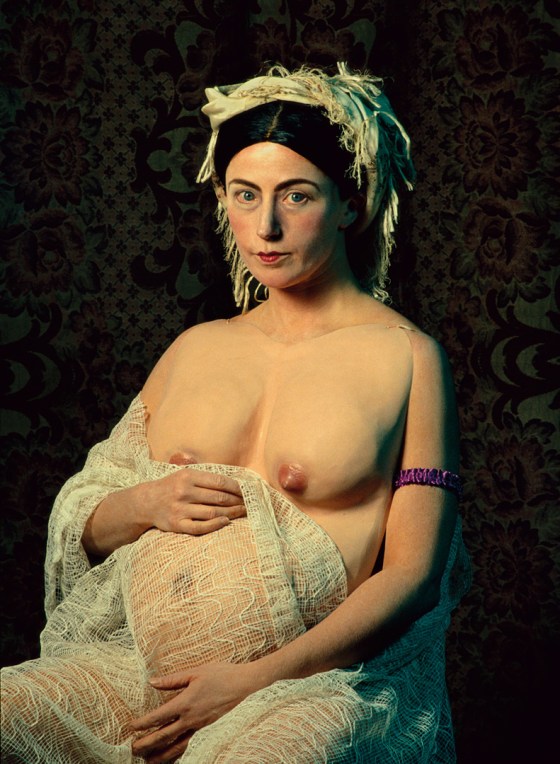
Reclaiming the Maternal Body: Challenging the expectations and representation of pregnancy in Cindy Sherman’s self-portrait Untitled #205 (1989)

by Nanette Ashby

In the realm of contemporary art, few figures stand at the intersection of identity, culture, and photography as prominently as Cindy Sherman. Born in New Jersey in 1954, Sherman has carved a niche for herself through her pioneering photographic self-portraits. Her body of work challenges and deconstructs cultural norms and expectations, particularly those surrounding gender, celebrity, and the very medium she employs – photography itself.

Hiding abuse behind celebration: International women’s day at Radboud University

by Aya Ahlalouch
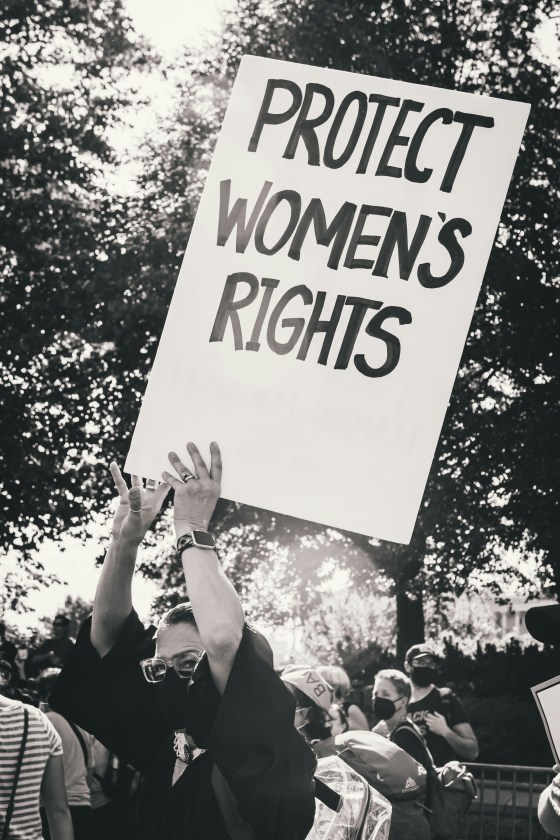
While celebrating women in academia is important, this approach raises deep concern. The event highlights women’s work without addressing the systemic barriers they face within the institution. Thereby, International Women’s Day is reduced to a token gesture rather than a meaningful commitment to women’s rights and gender equality.

Book of the Month: Red Valkyries: Feminist Lessons from Five Revolutionary Women

by Liana Khanaghyan
Red Valkyries: Feminist Lessons from Five Revolutionary Women by Kristen Ghodsee offers an intimate look into the lives of socialist women dedicated to gender equality during the Soviet era in Eastern Europe. In often hostile political environments, these women passionately fought for gender equality, recognising the intersection of gender and class in shaping women’s lives.

Buitenspel in een veld voor mannen

door Stefan de Baar
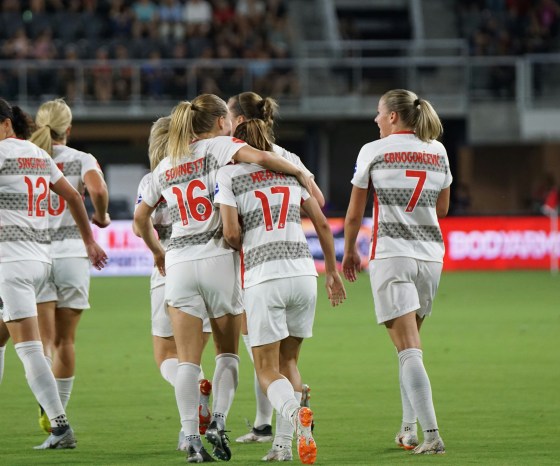
Naomi Osaka, Serena Williams en onze eigen Nederlandse Lieke Martens: vrouwelijke topsporters zijn anno 2024 iets alledaags. Sport wordt,wanneer dit uitkomt, als verenigend middel gebruikt, ook wel sportswashing genoemd. Het fenomeen sportswashing hebben we de afgelopen jaren vaker gezien in de voetbalwereld.

De evolutie van de vrouw

Door Famke Veenstra van Tijdschrift LOVER

“Wat zijn we ver gekomen, hè? Vroeger konden we alleen nog maar liggen,” zeg ik tegen mijn zus als we de eerste grote hal van Musée d’Orsay in Parijs binnenwandelen. Prachtige marmeren beelden van gespierde heldhaftige mannen en hulpeloze horizontale vrouwen vullen de ruimte.

Fascism Goes Female: Why women join far-right groups

by Alex Banciu
Fascism seems to be thrown around everywhere these days, so much so that it almost becomes a term for everything that is on the right side of the political spectrum. Surely, there are cases when this term fits perfectly. Europe’s current political landscape is shifting right at an ominous rate. Therefore, it is now a good time to understand why this is happening and what are the factors fueling this shift. But why exactly feminine fascism?

The new Mulan: Empowered heroine or neoliberal propaganda?

by Alex Banciu A Guardian review called Mulan “the most empowered Disney heroine of all.” One could argue that there is some truth to this statement. Mulan manages to infiltrate the imperial army as a man.

De vrouwen van Mad Men – De ruimte van Betty, Peggy en Joan [Raffia Archief]

Door Maartje Willemijn Smits De televisieserie Mad Men schetst een zeer gedetailleerd tijdsbeeld van de jaren zestig in Amerika. Met de tweede feministische golf nog in het verschiet, is seksisme aan de orde van de dag. Hoe deze problematische verhouding tussen mannen en vrouwen precies in elkaar zit, kunnen we beter begrijpen door te kijken naar hun gebruik van ruimte.

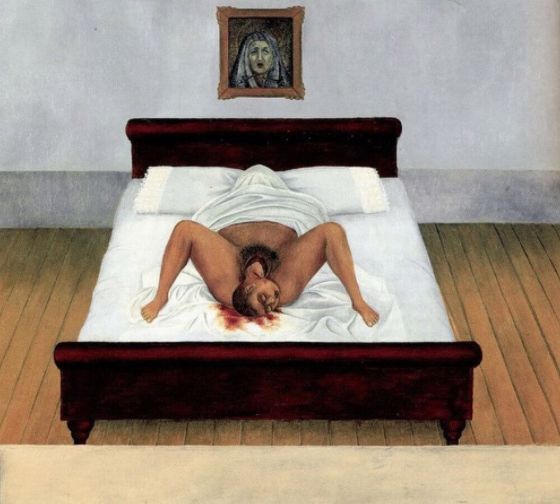
How Frida Kahlo’s representation of miscarriage challenges cultural expectations of women’s bodies – An analysis of My Birth (1932)

by Nanette Ashby The representation of the pregnant body is a rare theme in visual arts, especially if it doesn’t represent a happy ending. Visualizing the pain and sorrow of a miscarriage is a traitorous endeavour. Miscarriages are, even today, largely taboo even though they are relatively common. Art interrogates and dissects the lived experience.

Sophia the Robot and What it Tells Us about the Current State of AI

By Lelia Erscoi The choice of pronouns is no arbitrary thing- Sophia’s (“Sophia – Hanson Robotics”, 2022) creators are doing all they can to make you think of it as a “her”. From its appearance, modeled on a mix of women’s faces – Audrey Hepburn’s, Egyptian Queen Nefertiti’s, and its own inventor David Hanson wife’s (Chung, 2022) – to the fact that it was granted human rights in Saudi Arabia (Parviainen, Coeckelbergh, 2021), the whole story behind Sophia is a very fascinating one that aims to inspire. However, that’s what it mostly is – a story.

On being young and gay in Europe: “It’s not yet ok as long as you don’t dare to be who you want to be”

by Catarina Vila Nova During the Summer months, Esther and Carmen will be riding their motorcycles across 15 European countries in search of what it means to be young and gay in Europe. They will be connecting with partners in film festivals and organizations that advocate for LGBTI+ rights to create a movie platform targeted to professors to get the conversation going in the classroom.