
By Daniel Rodríguez Claveli In Venezuela, as in many other countries of South America, the fight for the civil rights … More

On gender, diversity, and feminism
By Daniel Rodríguez Claveli In Venezuela, as in many other countries of South America, the fight for the civil rights … More

For almost 40 years, the yearly Dutch children’s TV special “Kinderen voor Kinderen” is known for its progressive songs. Its lyrics cover a wide range of topics, including gender and sexual diversity, cultural diversity and migration, disabilities and body positivity.

JUCK is a dance and performance group based in Sweden that works with exploring and widening the notions of femininity … More
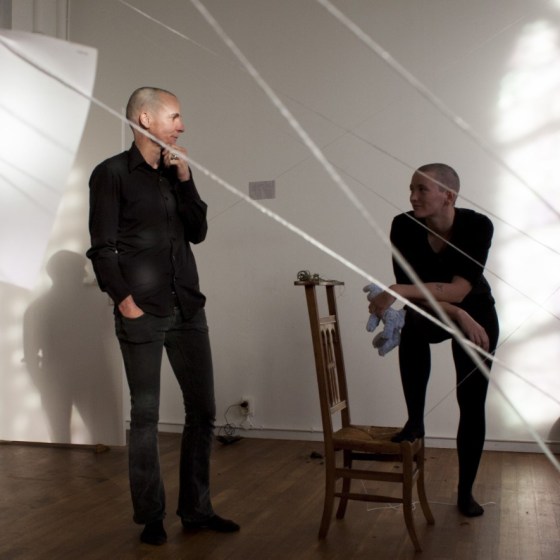
“We’re queer, we’re here, get used to it” is de slogan van de 50-jarige homobeweging die de eerste versie van het Qtopia Queer Arts Festival op bijna 20 locaties voortzet door middel van onder andere exposities, performances en film. Het Nijmeegse festival brengt twee diffuse termen bijeen – queer en kunst – met als doel meer awareness en acceptatie te generen over dat wat anders is, zo vertelde Yette Rohde afgelopen zondag in haar kunstatelier.

Voor de zomervakantie reisden een stuk of 50 studenten uit Nijmegen af naar de `Mars voor Onderwijs’. Ze ontmoetten studenten uit verschillende steden en met ruim vijfhonderd demonstranten liepen we langs de grachten van Amsterdam.
Maar wat was hun standpunt eigenlijk? Een van de deelnemers neemt je mee in een gedachte-experiment.

Wanneer ben je biseksueel en wanneer ben je panseksueel? Een vraag die vaak terugkomt in allerlei discussies over seksuele diversiteit en benamingen voor mensen die zich niet exclusief tot mannen of vrouwen aangetrokken voelen. In dit artikel gaat Emiel Maliepaard eerst in op het fenomeen “seksuele identiteit” om vervolgens de discussie biseksueel versus panseksueel te ontrafelen en zijn mening hierover te geven.

Nijmegen’s multicultural amateur community WOW-EFFECT Theater, with members from over 10 different countries, ages ranging from 19 to 40 and different levels of experience, makes a unique addition to the city’s theatre scene.

From vast landscapes of snow and ice to the bustling cities of Toronto and Montreal, Canada is often celebrated as a land of peace, tolerance, and respect for diversity. However, in 2004, Amnesty International accused Canada of endangering Indigenous women, putting them at continuous risk of abduction, sexual abuse and lethal violence. This is due largely to systemic racism. Add sexism to the equation and you can see that Canada has failed in protecting Indigenous women and girls.

In de korte film Uitgesproken zien we hoe de vriendschap tussen David en Niels onder spanning komt te staan als David ontdekt dat Niels op jongens valt. Niels is homo en durft niet uit de kast te komen binnen de vriendengroep. David begint vermoedens te krijgen, maar durft Niels er niet mee te confronteren uit angst voor zijn reactie. Zo houden ze elkaar op afstand, met alle gevolgen van dien.

Netwerken binnen organisaties beïnvloeden de kansen van medewerkers om zich te ontwikkelen, hogere posities te verwerven, en op gelijke wijze beloond te worden – kortom: in welke mate een organisatie inclusief is. In onderzoek hebben wij gezien dat deze invloed bestaat uit twee tegengestelde krachten: conservatief versus transformatief. In dit artikel gaan wij in op hoe netwerken – zowel informele netwerken als formele medewerkersnetwerken – via deze krachten bijdragen aan de mate waarin organisaties inclusief zijn.

Een interview met Ivonne Meeuwsen over haar bijdrage aan de hulpverlening rondom seksueel misbruik.

SPN (Stichting Polyamorie Nederland) is a foundation that provides resources and support for people in the practice of, or desire for, intimate relationships with more than one partner, with the knowledge of all partners. The work aims simultaneously to create more social acceptance in society for polyamory and to fight for better laws that don’t discriminate relationships that are different than the monogamous standard. People who identify as polyamorous reject the view that sexual and relational exclusivity are necessary for deep, committed, long-term loving relationships.
 Raffia